
The flowtify PLATFORM for integrated quality and steering processes
Digital quality assurance for food service, hospitality, and retail. Built for daily operations and multi-site structures.
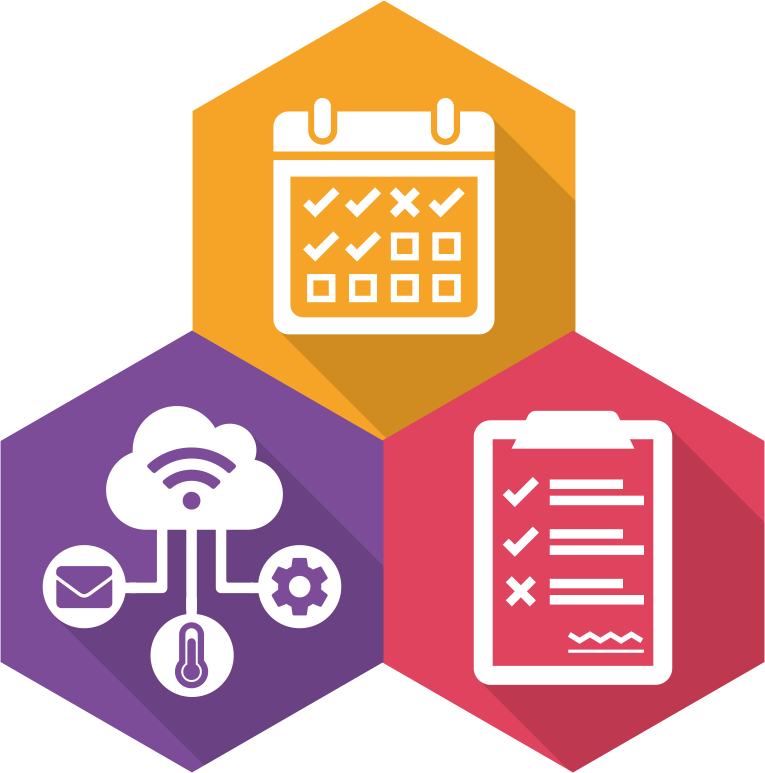
One shared system logic for all modules
- Shared master data forms the foundation for every module.
- Structures and responsibilities are defined once and reused consistently.
- Workflows and tasks follow a unified logic across modules.
- Checks, actions, and analytics are connected, without duplicate maintenance or conflicting data.
A platform for HACCP, audits, and sensors
Master data, tasks, readings, and analytics follow a shared structure in flowtify. HACCP, audits, and sensors interlock cleanly, also across multiple locations.
Impact across all flowtify modules

Tasks as part of a shared system
Tasks describe what needs to be completed or checked.
They turn requirements into concrete actions in daily work.
Tasks differ in content: an operational check follows different rules than an audit checkpoint.
What they share is a common structure.
Tasks are part of clear workflows, assigned to roles, and described unambiguously.
Execution and evaluation remain clear even when multiple modules are used.
Timing requirements create comparability
A core principle of flowtify is comparability across areas and sites.
Clearly defined deadlines play a central role.
They apply across all modules, not just individual functions.
Timing defines when tasks are considered done and when action is required.
Timing is defined centrally and can be adapted within predefined limits per site.
Processes remain comparable even when sites operate differently.
This applies to recurring checks, audits with fixed deadlines, and automated temperature monitoring where response times matter.
Timing provides guidance for teams and visibility for responsible roles.
It becomes clear what is done, what is open, and where action is needed.
This principle applies to all flowtify modules.

Responsibility follows existing routines
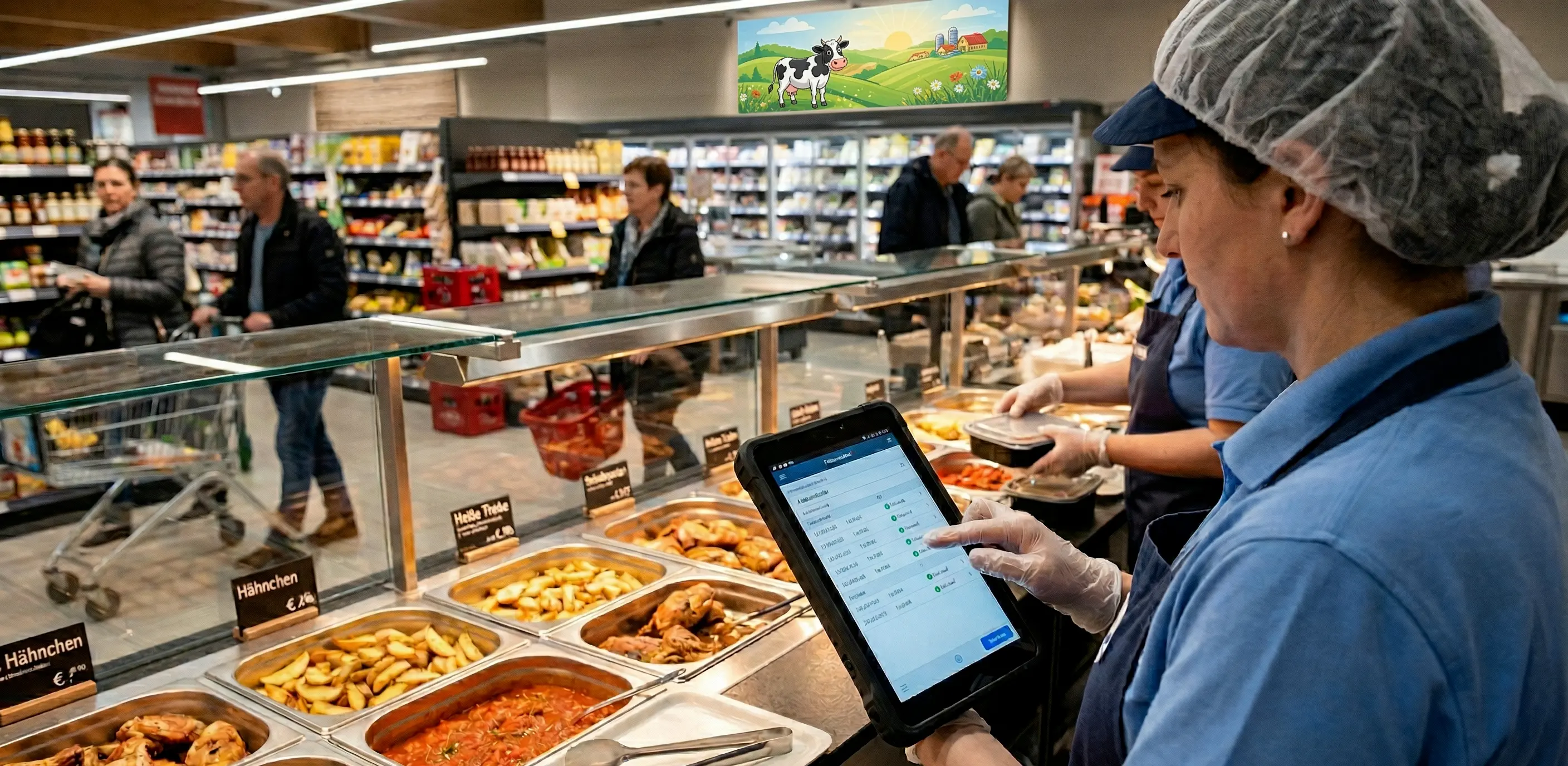
Different roles on the floor, in teams, and in central functions take responsibility where quality decisions are made.
flowtify builds on existing processes and maps them digitally.
Proven routines remain intact. If needed, individual checkpoints can be made more binding without complicating the overall process.
Responsibilities stay clear even when teams change, shifts overlap, or sites are organized differently.
Responsible roles see at a glance what’s done, what’s missing, and where action is needed.
Roles bring clarity to daily operations and form the basis for reliable cross-site steering.
Keep irregularities in view
In day-to-day operations, irregularities happen.
Checks are missed, audit findings occur, or temperature deviations are recorded.
These deviations must be handled and documented in a traceable way.
flowtify documents deviations and corrective actions clearly.
Evidence remains unambiguously assigned.
Responsible roles immediately see where action is needed and can work through topics across sites.
Actions and documentation remain linked.
Automated temperature monitoring provides continuous measurement and reliable trend data.
Deviations are detected reliably and quickly, independent of workload, rush hours, or staffing constraints.
A consistent approach to deviations creates transparency, traceability, and a clean cross-site documentation basis.
This strengthens operations and quality teams during inspections and audits.
Transparency comes from reliable handling and clear documentation, not from more control.

A platform that creates impact
flowtify bundles relevant quality topics in one place.
Standards, requirements, checks, deviations, and analytics follow a shared logic.
Central requirements are defined once and used across sites.
At the same time, there is enough room to reflect operational specifics.
Comparability is created without making sites identical.
The value of a platform becomes visible in daily operations.
Changes to checklists or evaluation logic can be rolled out immediately.
Analytics across one, multiple, or all sites are available when it matters.
For quality and management, this means reliable data, clear insights, and the ability to react quickly, even in time-critical situations.
Transparency is not created by more control, but by structure that enables confident decisions.
Related topics

What the modules do
How HACCP, sensors, and audits fit together as three building blocks of one shared platform

Coordinating teams day-to-day
How shared responsibility stays visible and manageable when teams work side by side

Quality assurance follows structure
How responsibility is distributed shapes how quality works in daily operations
Build an integrated foundation for your quality and steering processes
A short conversation helps assess your current situation and identify the best next step.