

Quality assurance follows structure, not industry
Whether single site, multi-site network, or centrally managed group: what matters is how responsibility is distributed, who decides, and who follows through.
What matters is how responsibility is organized
Quality assurance starts within a defined area of responsibility: where execution, control, and decisions intersect in daily operations. flowtify structures exactly this intersection. In many businesses, this is not only about legal requirements.
Internal requirements, recurring routines and operational checks are also essential to safeguard workflows and provide teams with orientation.
What matters is not the sector a company operates in, but how responsibility is distributed, who makes decisions, and how people collaborate across different roles.
Differences arise where responsibility is carried.
Where responsibility is carried, the differences emerge
In some businesses, the owner or operator carries responsibility for the site. Depending on the concept, workflows and requirements are provided by the franchisor or built within the business and implemented with the team in daily operations. Decisions lie with them and they are involved in day-to-day work.
In other organizations, workflows emerge from the need to reliably manage multiple sites and larger teams.
These differences determine how requirements are implemented, which checks make sense, and how flowtify is used in each context.

Keep daily operations under control and reliably meet legal obligations
In many businesses, responsibility lies with the owner or operator.
Workflows are defined once and should be followed even when responsible persons are exceptionally not on site.
Day to day, it’s about knowing what has been done and what hasn’t.
Anyone responsible for a site can expect tasks to be completed, even when responsibilities change.
Documentation creates clarity here. What is documented is considered done. What’s missing stands out and can be addressed immediately.
And it’s not only about HACCP. Many other things that matter for the operation can be recorded and traced in the same way.
flowtify makes it possible to define what must be done and to see at any time whether it has been done.

Carry responsibility and act with professional confidence
Team members make professional decisions and are accountable for the consequences.
Experience and knowledge play a central role, because poor execution or missing documentation can have serious consequences.
In daily work, it’s about designing workflows so they are technically correct and implemented reliably by the team.
Especially when requirements increase or tasks are distributed across multiple responsibilities, clear orientation is needed.
Documentation is not mere control, but professional safeguarding. It helps justify decisions, explain workflows, and create safety in daily work.
HACCP is only one building block. Additional technical requirements, internal standards and supplementary checks can be mapped the same way.
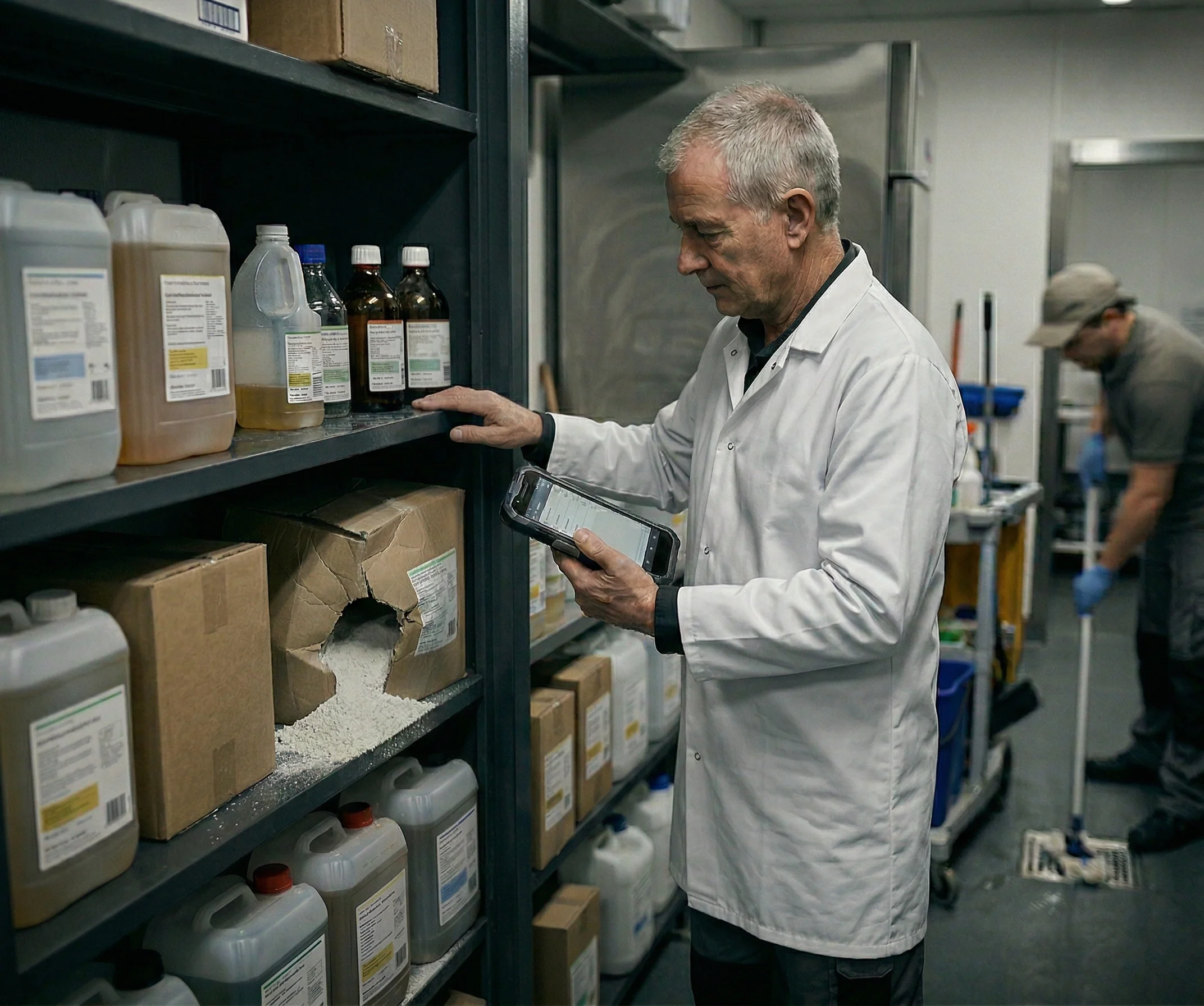
Organize shared standards and workflows across areas
Binding quality and HACCP requirements apply to all sites.
The challenge is not the content, but ensuring they are followed reliably in ongoing operations across large teams, different sales areas and multiple departments.
In continuous operations, irregularities are inevitable.
What matters is clarity: whether something has been done, whether an issue was identified, and how it was handled.
flowtify creates the transparency needed for process reliability.
For site management, regional responsibility and central teams, it’s always visible which topics are open, what has been processed, and where action is still needed.
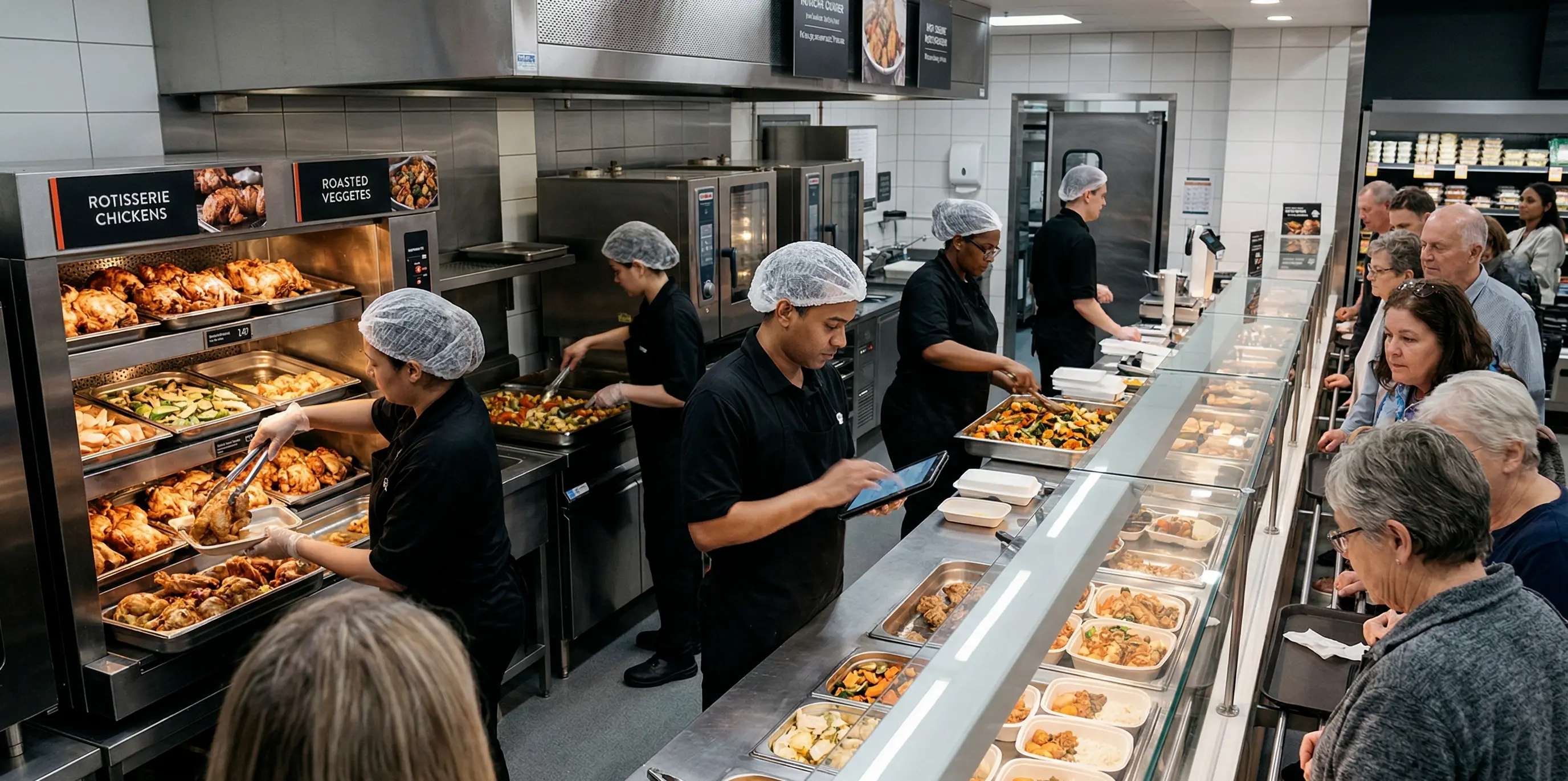
Steer quality purposefully and control risks across the organization
In this organizational form, quality serves as the basis for overarching decisions.
Requirements are defined centrally, rolled out consistently, and evaluated across countries, regions and different expert functions.
Operational execution still happens through the teams on site.
The difference is that the resulting data is relevant for cross-cutting decisions used by regional responsible roles and central expert departments.
With many sites and high expectations for safety and quality, regular inspections by authorities are just as standard as customer expectations.
Both shape the mindset with which workflows are assessed and responsibility is assumed.
flowtify provides a consistent and robust data basis for this.
Documentation, audit results and sensor data are brought together comparably and give responsible roles the basis to make informed decisions and systematically develop quality.
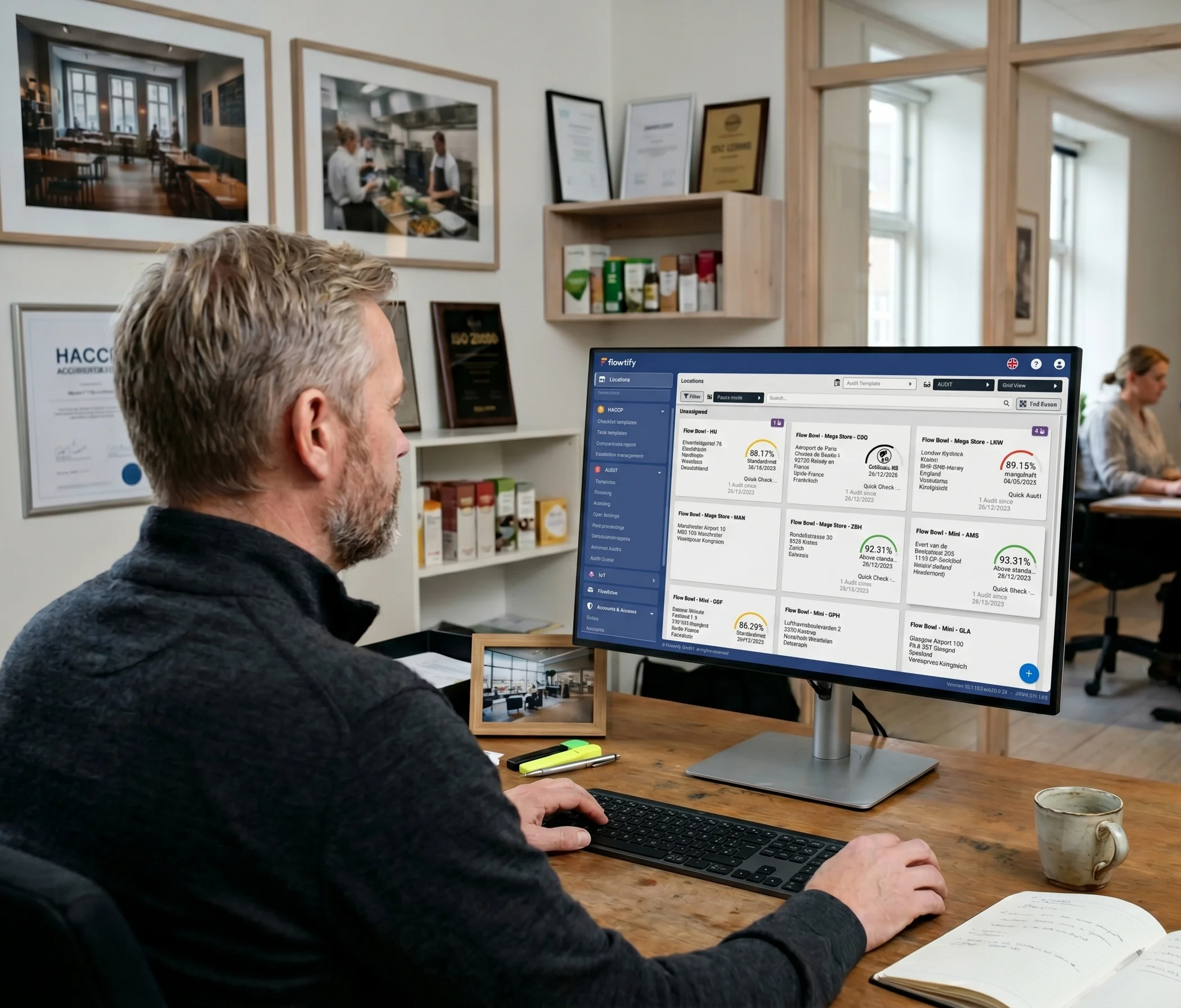
Operational activity in your daily business
One platform for different organizational structures
Regardless of how quality assurance is organized or which role someone plays day to day, flowtify adapts to the structures on site.
The same platform supports legal obligations, internal operational workflows that matter in daily work, as well as technically demanding and centrally managed requirements across many sites.
What matters is not how complex an organization is, but which goal is being pursued.
Once you know where you want to go, the next question is: where do you start? Three typical entry paths show what has worked for others.
flowtify provides the shared foundation for this and, depending on requirements, is also used in combination with specialized partners.
Related topics

Build multi-site structures so locations remain comparable
How responsibilities and standards are built so locations remain comparable
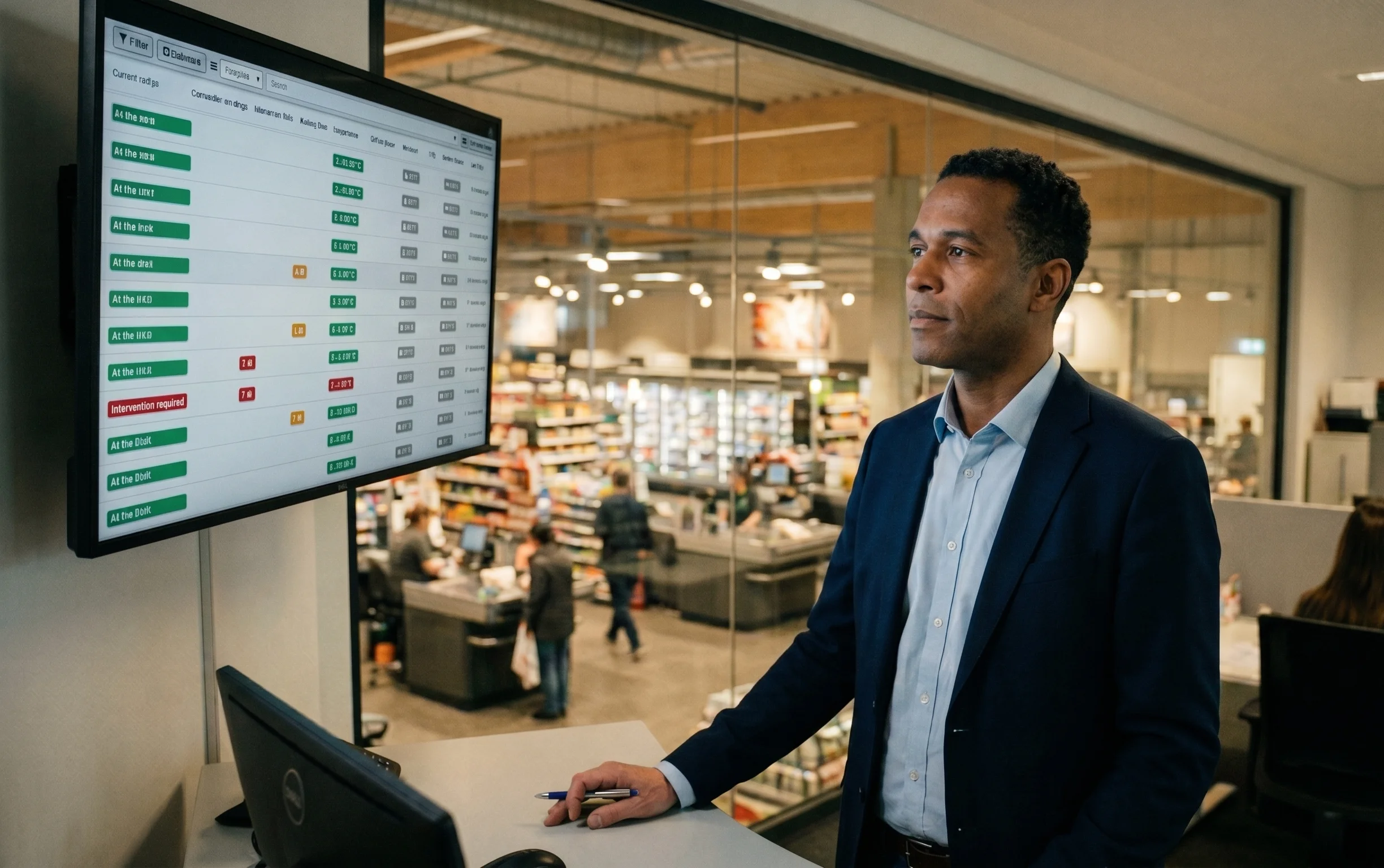
Reliable implementation every day
How quality checks and documentation work reliably in ongoing operations

The flowtify PLATFORM
How HACCP, audits, and sensors work together in one shared system
Anchor quality assurance in daily work with clear structure
Let’s take a look together at which structure works in your organization and how flowtify supports your processes.